Tell us more about how the book came about. As you mentioned the fertility column was to transition to one about pregnancy.
Tell us more about how long it took to write the book
I think you’re one of the first writers to talk about your journey so openly. Now it’s more comfortable for other people. But what did it feel like for you to share about everything with such transparency and personal detail?
Right. And was there anything particularly about infertility that you learned about? Just by writing about it.
What are some of the things that you would tell people that you wish would’ve done sooner? Aside from just checking your tubes. Tell us more about your thoughts on that.
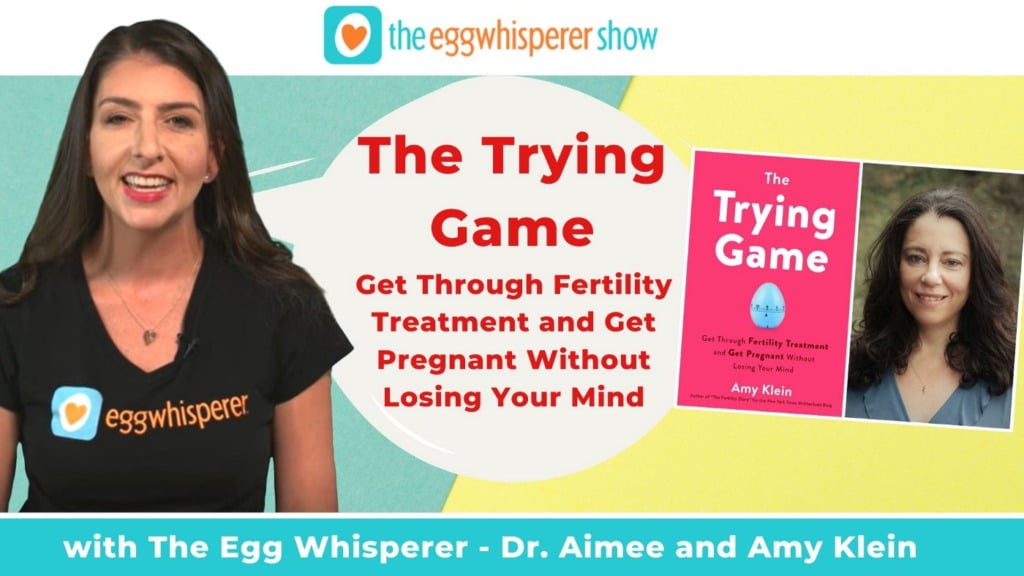
Amy, tell us. How did you land on the title, “The Trying Game” How to get through fertility treatment and get pregnant without losing your mind.
And tell us, what is the book about? I mean obviously I know, but for someone who is thinking about getting the book, what will they learn from reading it?
It’s clear you did a lot of research for this book. So it’s almost like a fertility educational manual for folks who are starting their journey or even people who’ve already been trying.
So what advice do you have for someone who has a nosy mother-in-law?
What has it been like for you to launch a book during a pandemic? And then did you ever think that anyone would use those words in a sentence?
I want to get into a little bit more about your journey to becoming a mother. Can you just tell us what that looked like for you?
You went to your OB-GYN for your two miscarriages. Can you tell us what that was like?
Yes. Now, I imagine OB-GYNs are a little bit more in tune, especially because egg freezing is something that we talk about.
So people are a little bit more aware of age and fertility in the Bay area at least, you know, I think the OB GYNs around here do a really good job.
If someone is thirty-seven they tend to do a test, like the AMH test, and may suggest seeing a fertility doctor.
What made him think that you needed steroids? And certainly, if you’re watching the show, it doesn’t mean that they’re for everybody, but I’m just curious. What did he diagnose you with and is it in the book for people who want to read about it?
Right. Someone has to give you an explanation, a plan.
You mentioned there was little fertility support when you were going through this.
What specific support groups are there now? Are there lists of groups in the book as far as where people can go for help who are going through fertility treatment?
These are great suggestions. I want you to teach our listeners right now. So since it’s infertility awareness week, what advice do you have for people who are starting out on their journey right now?
Now that we’re in a pandemic, what kind of advice would you have for people?
That’s great advice. What trends have you noticed over the last 10 years? And do you have any predictions for what’s to come?
There are so many fads. You’re right.
There’s definitely a race for what’s possible around genetics.
Right. And also increasing access to people by being able to provide more care at a larger scale.
So tell us, if someone wants your book, where can they find it?
Absolutely. We are definitely on the same page. I don’t think it’s a coincidence that we were both named Amy (ha).
If there’s one thing that you would want to share with the room full of people about infertility, what would that one thing be?
It is really hard. I now tell people, don’t let the pandemic take away your joy. But certainly, I’ve been telling people, don’t let infertility take away your joy.
Whatever you can do to find joy in every day as much as you can, it’s super important. Just live your life to the max.
Amy, thank you for being here with me. It’s been really informative and fun. You know, I feel like when I talk to you, it invigorates me.
We definitely have the same message about diagnosis before treatment. Your journey and people who read about it will hopefully help people be more informed about the steps that they can take to empower themselves.